
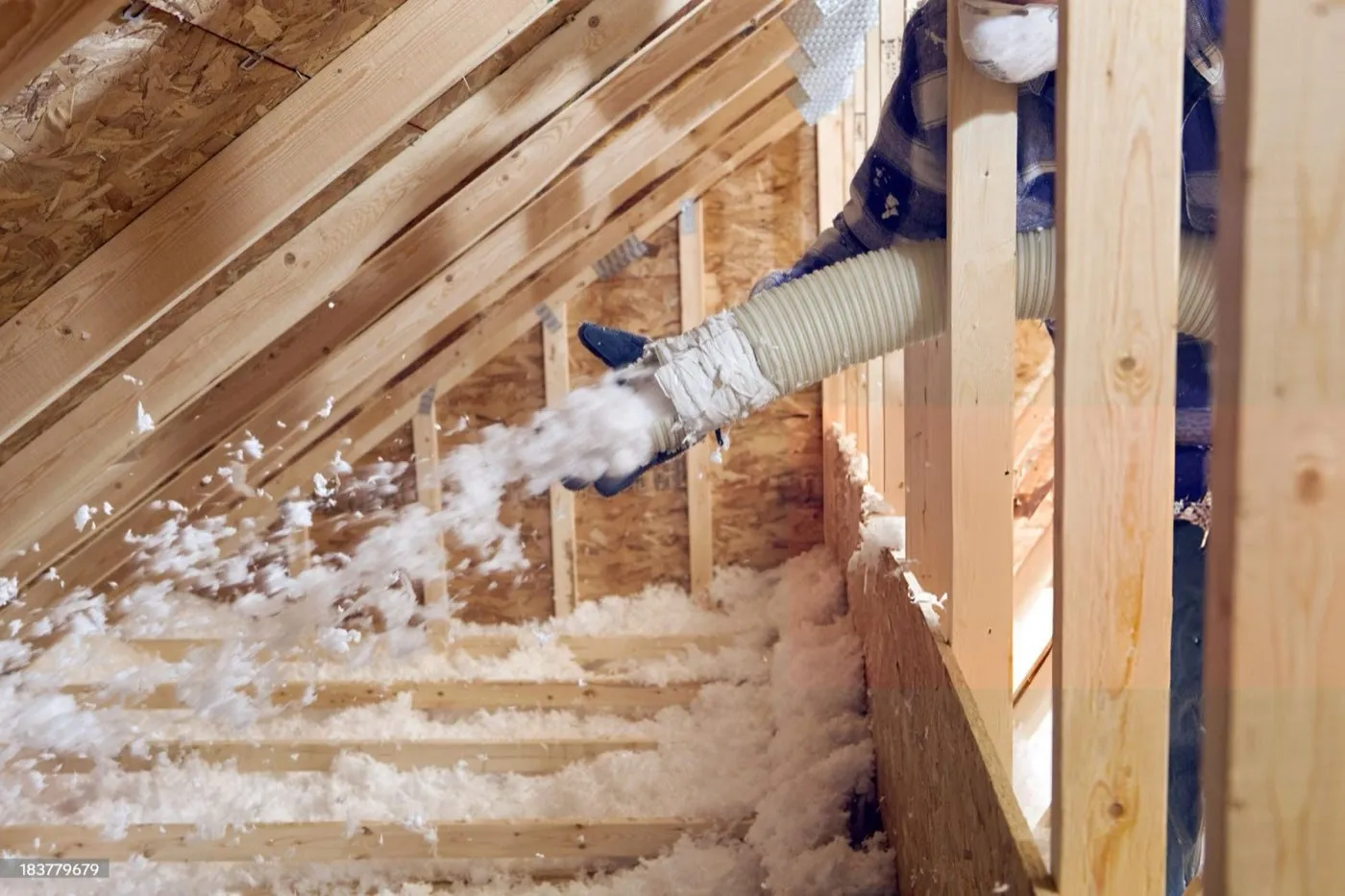
Open-Cell Foam
Often considered for interior assemblies where expansion, air sealing, and budget are part of the decision.
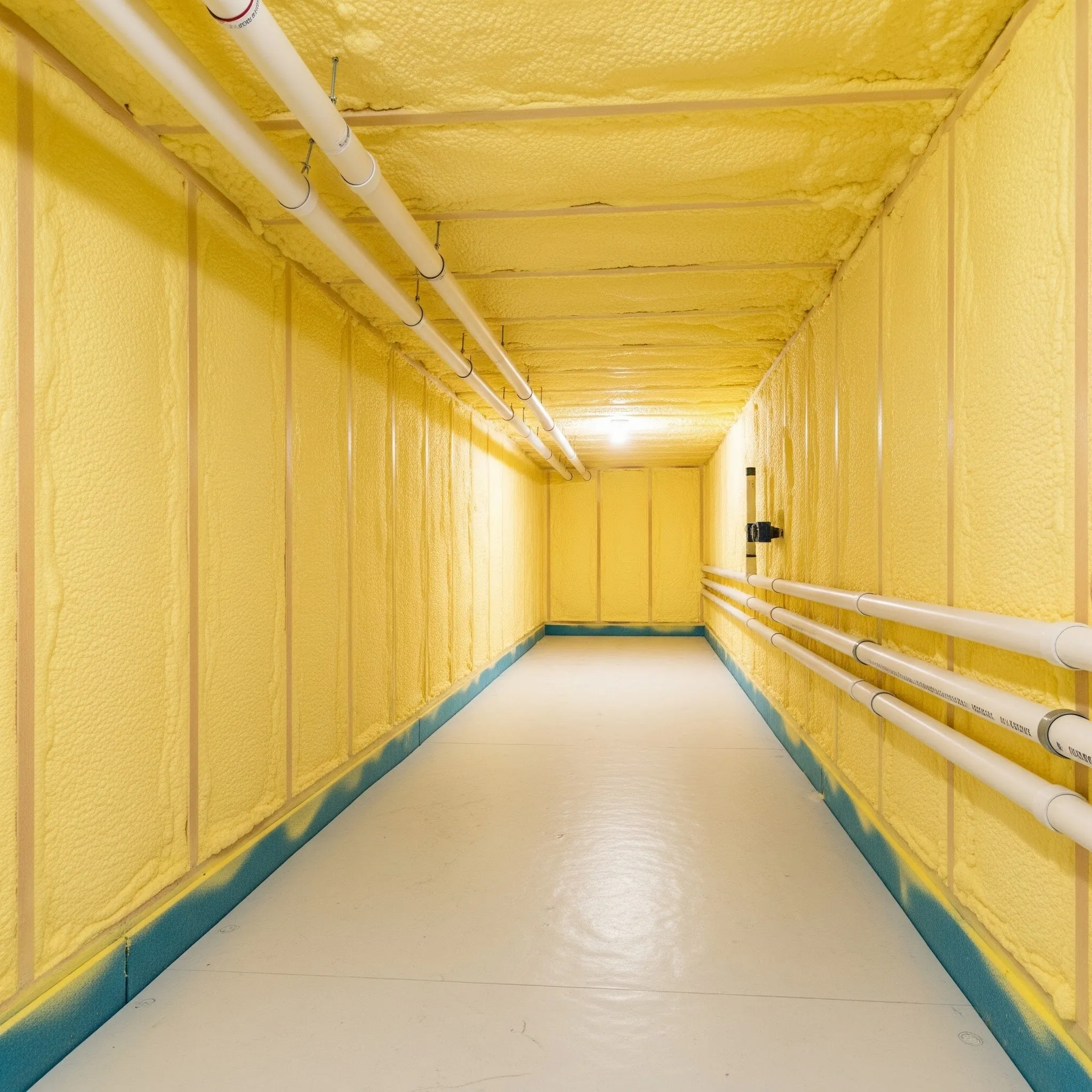
Open-cell and closed-cell spray foam for homes, crawlspaces, attics, wall cavities, commercial buildings, and large open assemblies.
Spray foam insulation is one of HeatShield's core specialties. The service is built around sealing slow leaks through gaps, cracks, and cavities that standard insulation does not always reach.
The work applies to homes and commercial buildings, including crawlspace applications, wall cavities, attic areas, warehouse ceilings, and other open assemblies where the right foam choice depends on the building.
Open-cell and closed-cell foam are different products. Open-cell foam is softer and more flexible, while closed-cell foam is denser and can be appropriate where moisture exposure or higher insulation value per inch matters.
The right recommendation comes after seeing the space. Every estimate starts with the assembly in front of us, not a one-size-fits-all product pitch.
Residential spray foam work can include attics, crawlspaces, rim joists, interior walls, and areas where energy escapes. Commercial projects require more planning because the areas are larger, schedules matter, and the work may need to happen around operations.
Every spray foam project should be planned around access, ventilation during application, surface preparation, and the specific product guidance for curing and re-entry.
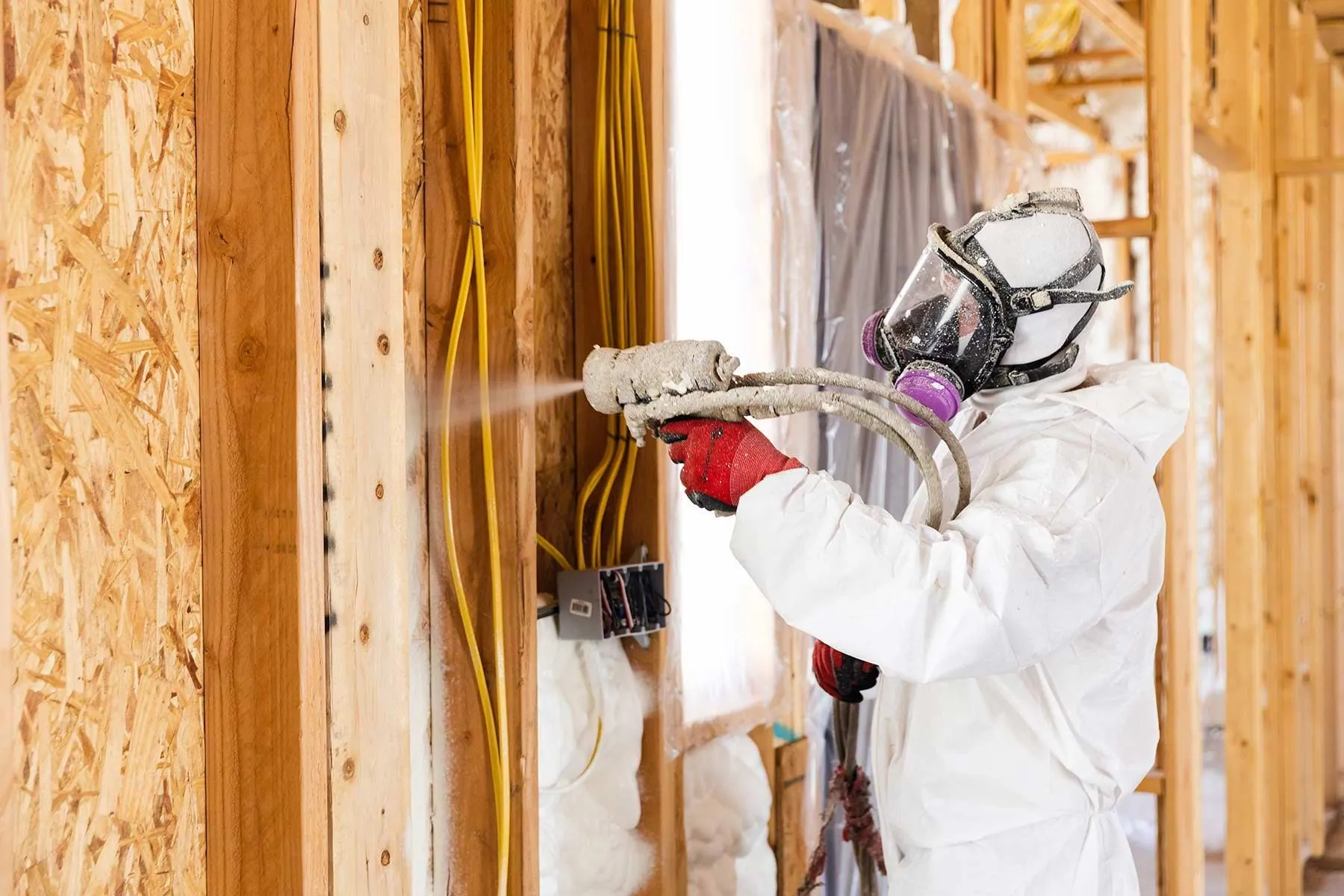
Often considered for interior assemblies where expansion, air sealing, and budget are part of the decision.
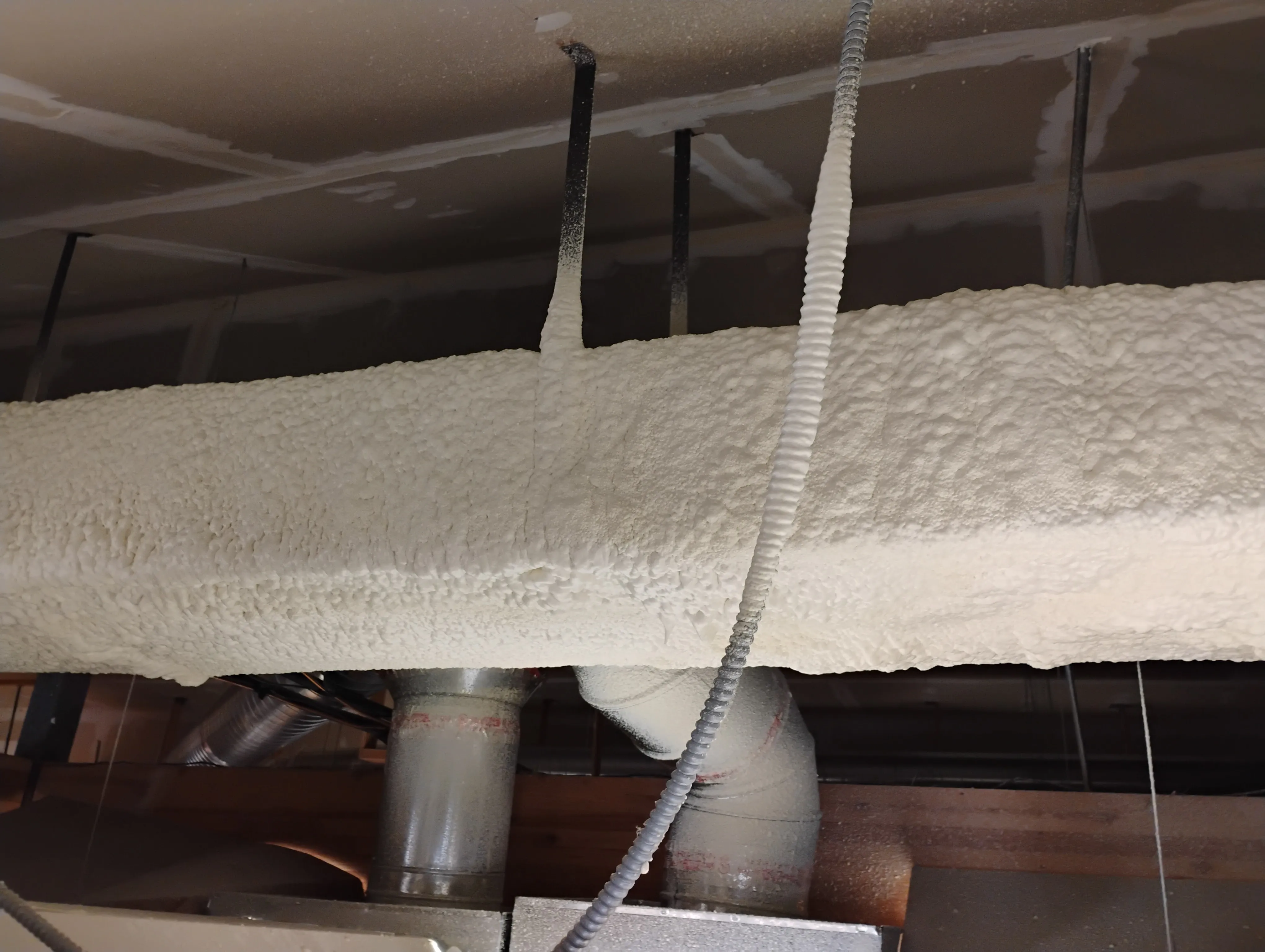
Denser foam that may be used where its rigidity, insulation value per inch, or moisture behavior is appropriate.

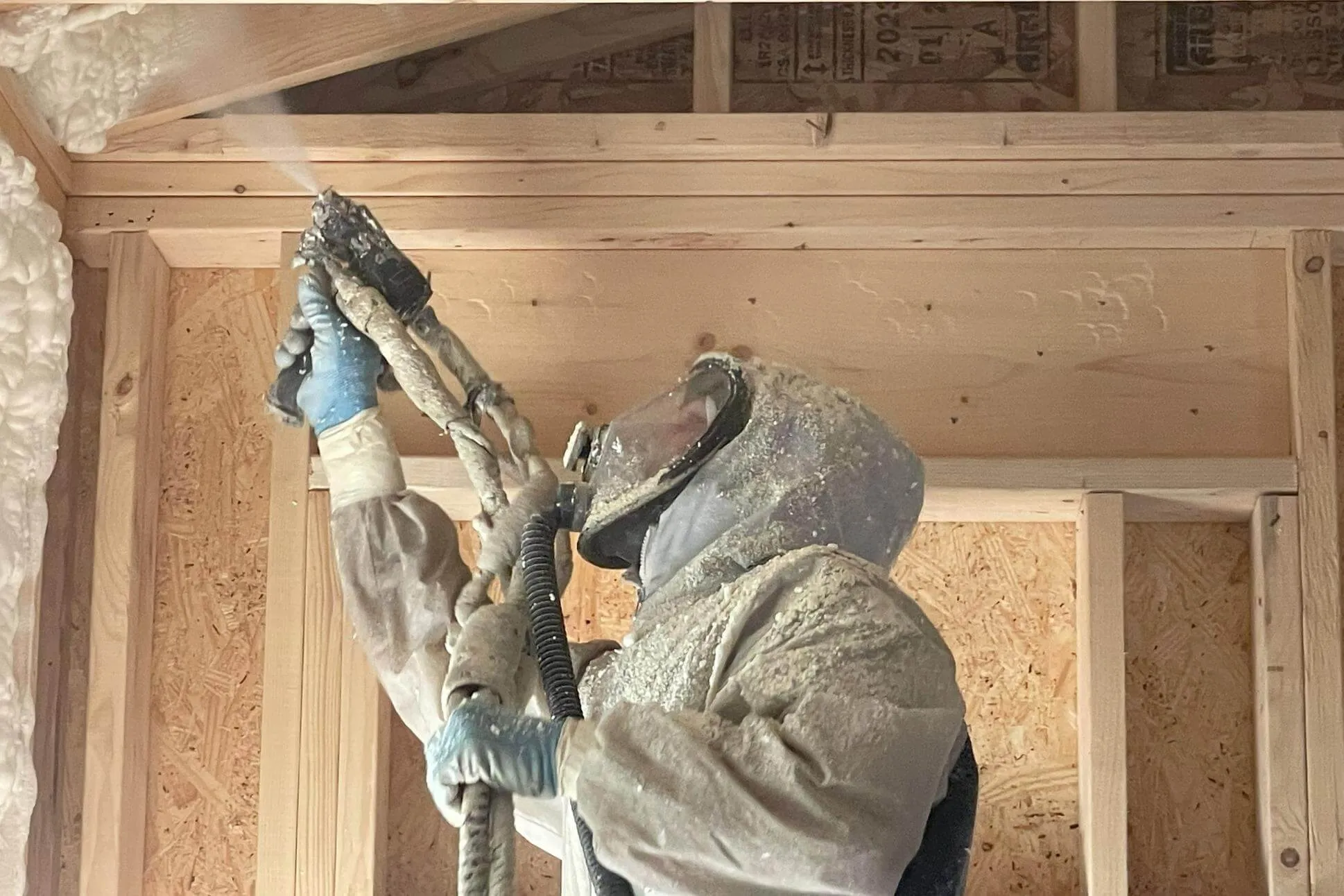
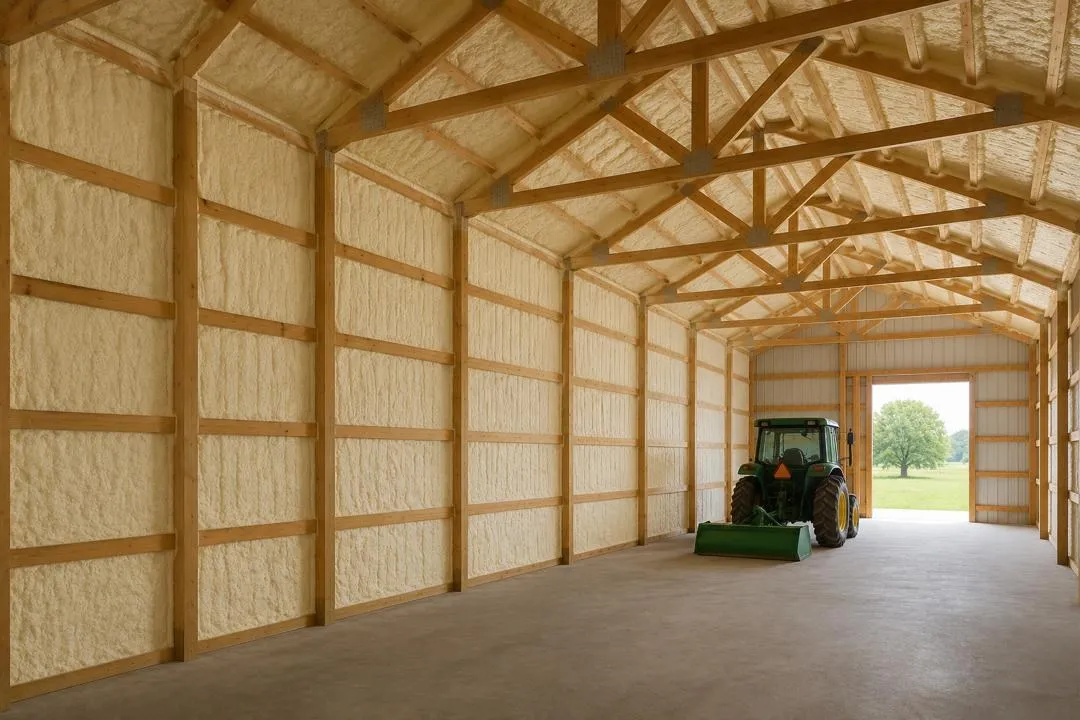
Photos show typical spray foam application details, including framing, penetrations, and finished coverage.
The right answer depends on the assembly, access, moisture strategy, roof and attic condition, and what the property owner is trying to solve.
Use the form or call HeatShield, and include the city plus the area you want inspected.
Prefer to talk? Call 480-933-1792.
Open-cell foam is softer and expands more. Closed-cell foam is denser and can be appropriate where higher insulation value per inch or different moisture characteristics matter. The right product depends on the space.
Yes. Residential spray foam applications can include attics, crawlspaces, rim joists, interior walls, and existing spaces when access and assembly conditions fit the scope.
Curing, ventilation, and re-entry guidance depend on the product and area. HeatShield should provide project-specific guidance before installation.
Yes. HeatShield also has a roofing page, and the location pages explain how roof and insulation conditions can be connected in Arizona buildings.